
When you look in the mirror and don’t feel any aching, throbbing, or soreness in the back of your mouth, it is easy to assume everything is fine. Many patients wonder whether they should remove wisdom teeth that don’t hurt if they aren’t causing active trouble. If you are consulting a dentist, you might be surprised to learn that painless third molars can still cause significant dental complications beneath the surface.
A dentist in Lakefield, ON, can help you make the best choices for your oral health. Let’s explore whether extracting impacted wisdom teeth is always necessary, even in the absence of active pain.
What Are Impacted Wisdom Teeth?
Third molars (wisdom teeth) are the last permanent teeth to erupt and usually appear between ages 17 and 25. But as human jaws have gotten smaller over time, the dental arch often doesn’t have room for those extra molars.
An impacted wisdom tooth stays partially or completely lodged beneath the jawbone or gum line. In general, there are two main types of impaction:
- Fully Impacted: The tooth remains entirely encased within the jawbone and gum tissue.
- Partially Erupted: The tooth breaks through the gum tissue slightly, but fails to emerge fully, creating a flap of gum tissue over the surface.
Even when these teeth sit quietly without causing discomfort, they can still interact with surrounding bone, nerves, and adjacent teeth in unexpected ways.
Do Impacted Wisdom Teeth Always Need to Be Removed?
The short answer is no. Not every impacted wisdom tooth requires surgical removal. Every mouth is unique, and extraction decisions depend on your overall oral health, age, and long-term risk factors.
Dental professionals evaluate several key criteria before deciding whether to recommend extraction or passive monitoring:
- Tooth Position & Alignment: Is the tooth developing upright or horizontally toward nearby roots?
- Pathology risk: Does the tooth sac have any cysts, fluid pockets, or tissue alterations?
- Hygiene Accessibility: Can a toothbrush and dental floss clean the tooth?
- Effect on Adjacent Molars: Does the tooth create difficult-to-clean food traps or push against the second molar?
If an impacted tooth is entirely within the bone, correctly aligned, and free of symptoms, disease, or other potential risks to adjacent teeth, it may be best to continue periodic monitoring and not intervene.
The Hidden Risks of Silent Wisdom Teeth
Pain isn’t always an indicator of oral health. Many serious oral problems develop quietly, with little or no discomfort, until they have progressed far.
Without treatment, impacted third molars can develop into several silent complications over time:
Damage to Neighboring Teeth
An impacted tooth lying on its side and pushing against the second molar can cause permanent root resorption (dissolution of the neighboring tooth root) or structural deterioration that cannot be properly cleaned or filled.
Cysts and Bone Loss
Fluid can build up in sac-like structures around impacted teeth, forming cysts. Cysts can grow and damage the jawbone, irritate nearby nerves, and threaten the health of adjacent teeth.
Gum Infections and Cavities
Because overlapping gum tissue creates a warm, dark nook where bacteria and food particles can hide, the risk of infection around a partially erupted wisdom tooth is particularly significant. Localized swelling, bad breath, and sudden localized pain are symptoms of this illness, called pericoronitis.
Orthodontic Relapse and Crowding
Even if they don’t have enough pressure to push the front teeth out of alignment on their own, mispositioned third molars can throw off the bite and make it harder to maintain good oral hygiene at home.
The Role of X-Ray Monitoring
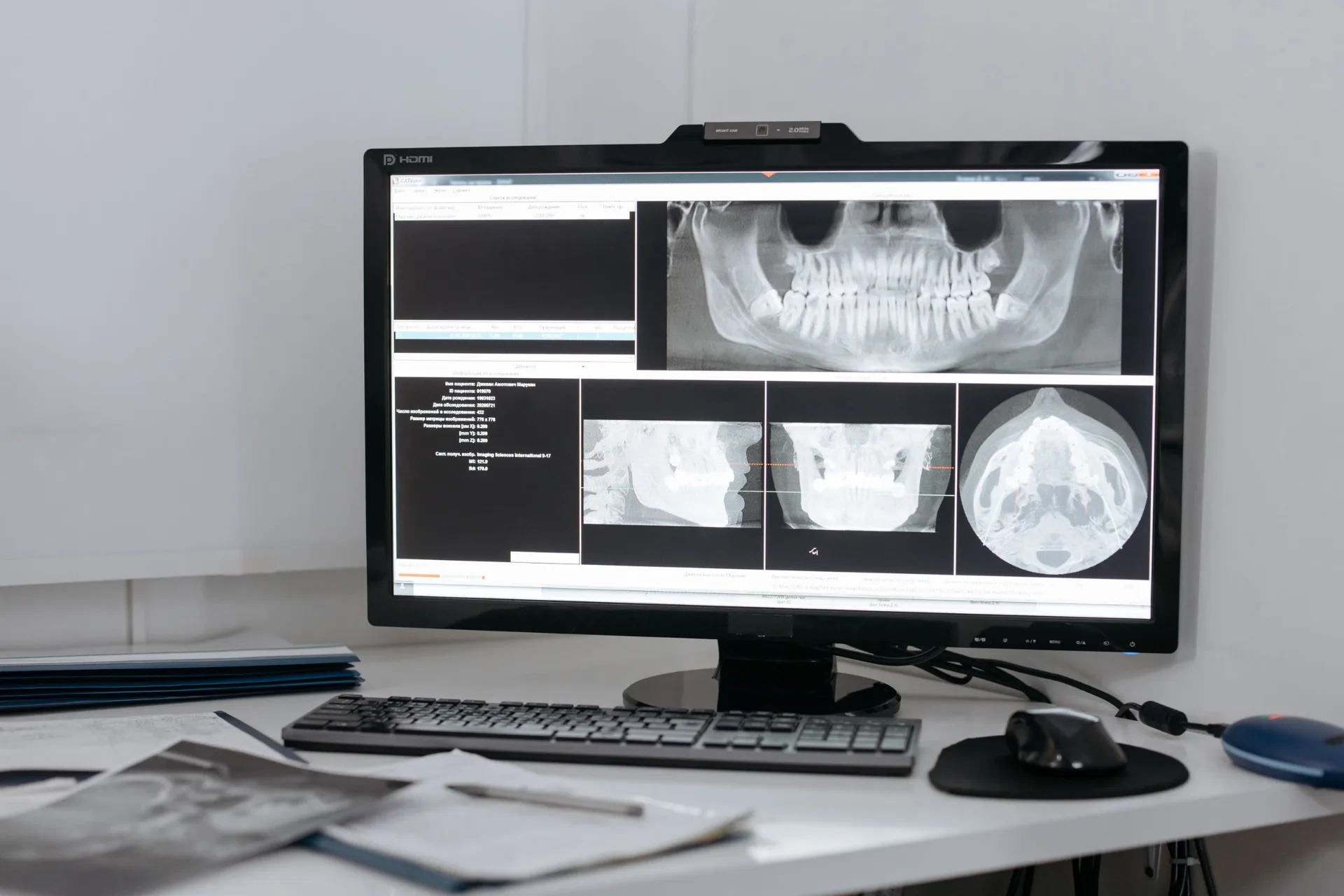
Regular examinations are crucial if your dentist advises preserving your wisdom teeth. Long before discomfort or swelling appears, your dental team uses X-ray monitoring of impacted wisdom teeth to detect subtle changes in tooth orientation, bone density, and root development.
Digital panoramic X-rays and 3D cone-beam imaging allow clinicians to assess a tooth’s precise angle, proximity to sensory nerves, and the condition of adjacent bone structures during routine exams.
When Is the Best Time to Remove Wisdom Teeth?
Timing plays a crucial role in surgical outcomes and recovery duration. Dental professionals often highlight young adulthood as the best time to remove wisdom teeth, typically between ages 17 and 25.
In these formative years:
- The roots of the third molars are not yet fully developed or firmly implanted in dense bone.
- A softer, more flexible jawbone surrounds them. This facilitates the removal procedure.
- Faster tissue regeneration and healing lead to shorter recovery periods and reduced post-operative risks.
- Extractions can be performed on adults at any age. The treatment will be more complicated and take longer to heal if you wait until there is significant discomfort or structural damage.
Evaluating Your Options
If you need a trusted dentist near you to examine your wisdom teeth, a skilled clinical team can make all the difference. A provider with experience will review all of your digital imaging in detail, discuss your personal risk factors, and determine a clear threat.
When you need reliable guidance on impacted wisdom teeth removal in Lakefield, ON, our experienced team is here to help you navigate every step with confidence and care.
Schedule Your Wisdom Tooth Consultation Today
Concerned about the condition of your wisdom teeth? Call Lakeflower Family Dental now to book your comprehensive assessment and digital imaging consultation. Our goal is to give you a lifetime of pain-free, comfortable, healthy smiles.