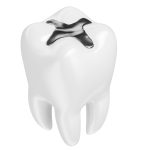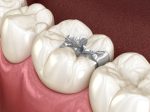

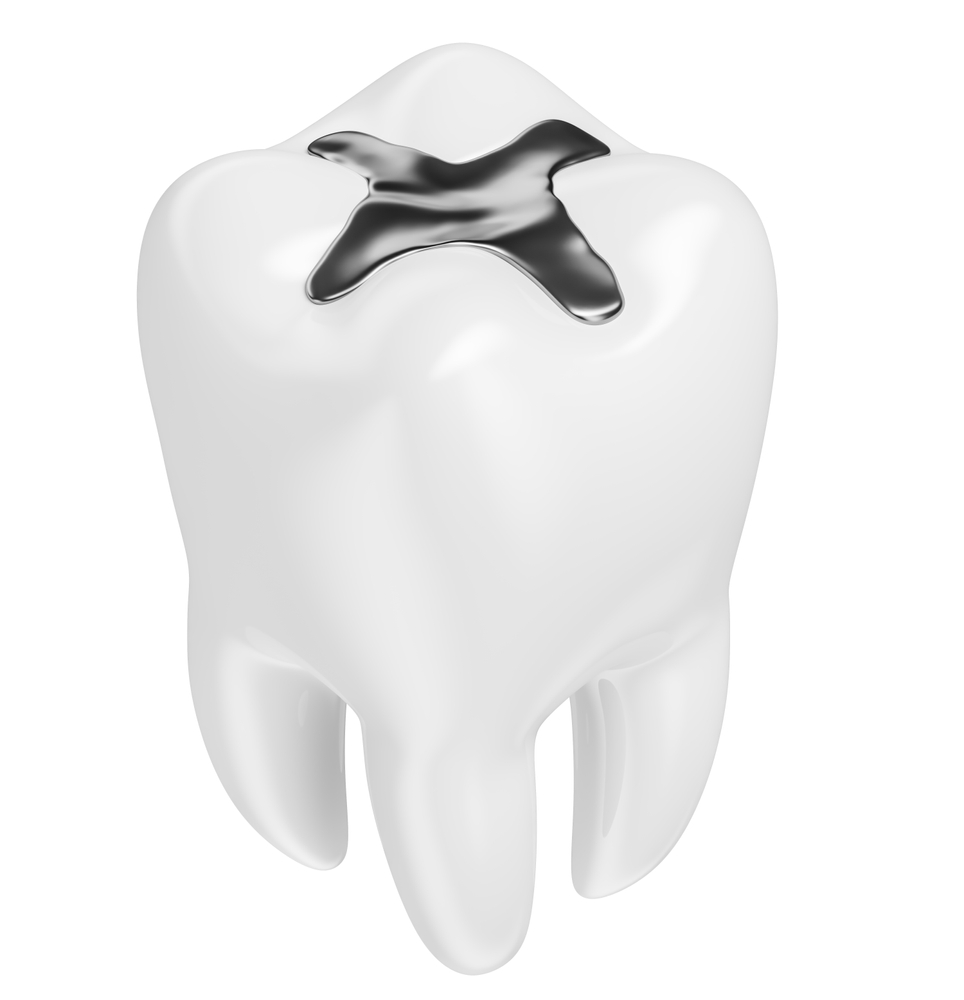
Silver diamine fluoride (SDF) can cause a noticeable darkening of areas affected by tooth decay, often making the treated spot appear brown or black. This colour change is an expected effect of the treatment and does not necessarily mean the tooth is getting worse. A dentist in Lakefield can examine the affected tooth, explain why the colour changes after SDF is applied, and determine whether this treatment is suitable.
Knowing how SDF works, what the treated area may look like afterward, and whether additional treatment could be needed can help make the decision clearer and easier to understand.
Why Does SDF Make Decayed Areas Black?
SDF contains silver, which helps slow the activity of bacteria linked to tooth decay. When it comes into contact with an area of active decay, the treated part of the tooth can become dark. The black colour usually shows where the decay has been treated. It does not mean that the entire tooth will turn black.
Does SDF Turn Every Tooth Black?
No. SDF does not normally darken healthy tooth structure in the same way. The most noticeable colour change usually occurs in areas affected by tooth decay. A dentist near you can identify which areas may change colour and explain what the treated tooth may look like afterward.
Is the Black Colour a Sign That SDF Failed?
No. Darkening is generally expected when SDF is applied to active tooth decay. The colour change itself does not mean the treatment has worsened the decay. However, the tooth still needs to be monitored. SDF is mainly used to slow or stop the progression of decay rather than to restore the tooth’s original appearance.
Why Is SDF Used if It Changes the Tooth’s Colour?
The main purpose of SDF treatment is to help manage tooth decay. The dark appearance can be an important trade-off when the goal is to slow decay without immediately using a more involved treatment.
A dentist in Lakefield may consider SDF when factors such as the location of the decay, the child’s ability to tolerate treatment, or the need for a simpler approach are taken into account.
Possible advantages may include:
- Quick application
- No drilling during the SDF application itself
- Helps slow active decay
- Can be useful when immediate restorative treatment is difficult
- Allows the tooth to be monitored over time
Can the Black Colour Be Removed?
The darkened, decayed area does not usually return to its original colour simply through brushing. If appearance is a concern, other treatment options may be discussed. A dentist near you can explain whether the tooth may later need a filling, crown, or another restoration, based on the extent of the damage and the tooth’s condition.
Does SDF Treat the Whole Tooth?
No. SDF is applied to specific areas of tooth decay. It does not mean that every part of the tooth receives the same treatment or that other dental problems are automatically addressed. Regular dental care remains important because new areas of decay can develop elsewhere.
Is SDF Safe for Children?
SDF is commonly used as one option for managing tooth decay in children, but its suitability depends on the individual situation. A dental assessment is important before treatment. A dentist in Lakefield can review the child’s teeth, identify active decay, and explain the possible benefits, limitations, and expected colour changes before SDF is applied.
What Should Parents Know Before SDF Treatment?
Understanding the change in appearance beforehand is especially important. The treated decayed area may become noticeably darker, and this can be surprising if it was not expected.
Before treatment, it can help to ask:
- Which tooth will be treated?
- How much of the tooth may become dark?
- What is the goal of the treatment?
- Will the tooth need another restoration later?
- How often should the tooth be checked?
Having these questions answered can make the treatment decision clearer.
What Happens After SDF Treatment?
After SDF is applied, the treated tooth can be monitored during future dental visits. The darkened area may remain visible while the tooth is checked for changes. A dentist near you can determine whether continued monitoring is appropriate or whether additional treatment is needed.
SDF does not replace brushing, cleaning between teeth, or regular dental visits. These habits remain important for protecting the rest of the mouth.
Make an Informed Choice About SDF Treatment!
Understanding how silver diamine fluoride works, why the treated area may darken, and what care may be needed afterward can help you feel more prepared when considering treatment. Book an appointment with Lakeflower Family Dental to have the affected tooth carefully examined, discuss whether SDF is appropriate, review other available treatment options, and receive clear guidance on the next steps for maintaining your child’s oral health.
FAQs
Does SDF always turn cavities black?
SDF often makes areas of tooth decay turn dark or black. However, the colour can vary depending on the tooth and the extent of decay.
Will healthy enamel turn black?
Healthy tooth structure does not usually develop the same dark appearance as an area affected by active decay.
Can SDF be used on baby teeth?
It may be considered for some children with tooth decay. The decision depends on the tooth, the extent of the decay, and the child’s individual dental needs.
Is the black colour permanent?
The darkened area may remain until the tooth is restored or otherwise treated. It does not usually disappear through normal brushing.