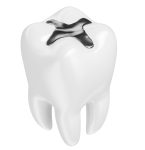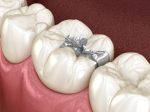


Tooth decay starts the moment bacteria in your mouth meet sugar. These tiny bacteria eat the sugar and create acid. That acid attacks your tooth. This process begins slowly and quietly. You can’t see it happening. You don’t feel pain at first. But if you leave it alone, decay gets worse and deeper until it becomes a cavity. Understanding this process helps you catch problems early. Visiting a dentist in Lakefield regularly gives you the best chance to stop decay before it turns into a cavity.
How Tooth Decay Actually Starts
Your mouth is full of bacteria. This is completely normal. These bacteria aren’t harmful by themselves. But when bacteria meet sugar, things change.
Here’s exactly what happens:
- You eat or drink something with sugar. Maybe it’s candy, soda, juice, or even fruit. The bacteria in your mouth get excited. They eat that sugar. When bacteria digest sugar, they create acid as a waste product.
- This acid is the real problem. It attacks your tooth’s hard outer layer called enamel. Enamel is the strongest part of your tooth. But acid can damage it. The acid sits on your tooth for about twenty minutes after you eat sugar.
- If you brush your teeth right away, you remove the acid. But if the acid sits there, it keeps attacking. Your enamel gets weaker and weaker.
The Stages of Tooth Decay
Stage One: The White Spot
Decay starts as a tiny white spot. This spot looks chalky or dull. You might not even notice it. It’s barely visible. At this stage, the decay is only in your enamel. Your dentist near you can spot it during a regular checkup before you ever see it yourself.
The good news? At this stage, you can stop the decay. Brushing more carefully, flossing daily, and cutting back on sugar can help your tooth repair itself.
Stage Two: The Cavity Starts
If decay continues, it creates a hole in your enamel. This is the beginning of a cavity. A cavity is permanent damage. Once you have a hole, you need your dentist to fill it.
The cavity might be brown or black. It might feel rough when you run your tongue over it. Sometimes you can see it. Sometimes you can only feel it.
At this stage, decay has broken through the protective layer. It’s now attacking the softer part under the enamel called dentin. This layer is more sensitive. Pain usually starts here.
Stage Three: Deep Decay
If you neglect it further, the decay continues to deepen. It penetrates into your tooth where the nerve resides. This inflicts intense suffering. It becomes hard to chew. Your tooth could be sensitive to hot or cold.
At this stage, you need serious treatment. Your dentist might need to do a root canal or remove the tooth completely.
The Timeline: How Long Does This Take?
Decay doesn’t happen overnight. But it doesn’t take years either. The process usually takes between six months and a few years, depending on several factors:
- How much sugar you eat and drink
- How often you brush and floss
- How strong your enamel is
- Your overall mouth health
Some people’s teeth decay faster. Others have stronger teeth that resist decay longer.
Warning Signs You Should Watch For
- White or brown spots on your teeth
- Visible holes or dark areas
- Pain when chewing
- Sensitivity to hot, cold, or sweet foods
- Bad breath that doesn’t go away
- Swelling in your cheeks or jaw
Don’t wait for pain. Pain means decay is advanced. See your dentist as soon as you notice anything unusual.
How to Stop Decay Before It Becomes a Cavity
- Brush twice daily for two minutes with fluoride toothpaste
- Floss every single day
- Limit sugary foods and drinks
- Rinse your mouth with water after eating
- Visit your dentist every six months for checkups
- Ask your dentist about fluoride treatments
Protect Your Teeth Before Decay Takes Over
Lakeflower Family Dental believes that early detection prevents problems and keeps your teeth healthy for life. Our staff understands what to check and how to stop decay before it starts. We will teach you the most effective ways to brush and floss your teeth. We will discuss foods and drinks that damage your teeth. We will help your children to learn healthy habits from a young age to avoid cavities. Your smile must be taken care of by experts. Contact us today to make an appointment for your next checkup.