
Can you halt tooth decay without using a drill? At times, that’s correct. Silver diamine fluoride (SDF) is a liquid treatment that can halt or slow down active tooth decay that we do not drill out. A dentist in Lakefield can evaluate the tooth and decide if SDF is a good choice based on where the cavity is and how bad it is.
SDF is especially useful when keeping treatment simple is important. However, it does not rebuild missing tooth structure, and it is not the right choice for every cavity.
What Is Silver Diamine Fluoride?
Silver diamine fluoride is a liquid containing silver, fluoride, and other ingredients that work together to help control tooth decay.
When placed on a decayed area, SDF can:
- Help stop or slow the decay process.
- Reduce harmful bacteria
- Strengthen weakened tooth structure.
- Help lower the chance of decay becoming worse.
The treatment is applied directly to the affected tooth and does not require drilling away the decayed part.
How Does SDF Stop Tooth Decay?
The silver in SDF helps act against bacteria linked to tooth decay. The fluoride helps strengthen the tooth and make it more resistant to further damage. This combination can help slow the progression of a cavity. A dentist near you may recommend SDF when controlling decay is more important than immediately restoring the tooth with a filling.
SDF does not make damaged tooth structure grow back. If a large part of the tooth is already missing, another treatment may still be needed.
Does SDF Really Work Without a Drill?
Yes. SDF can be applied directly to the affected area without drilling the tooth first. This can make the process shorter and less invasive than some traditional cavity treatments. It may be helpful when a patient has difficulty sitting through dental treatment or when a simple approach is preferred.
However, avoiding the drill does not mean every cavity can be treated with SDF alone.
When Might a Dentist Recommend SDF?
A dentist in Lakefield may consider SDF when the goal is to control active decay and delay or avoid more involved treatment.
It may be considered when:
- The cavity is suitable for liquid treatment.
- Immediate drilling is difficult.
- A patient has dental anxiety.
- Treatment needs to be kept simple.
- A cavity needs to be managed before a permanent restoration.
The tooth should still be checked regularly after treatment.
What Is the Biggest Drawback of SDF?
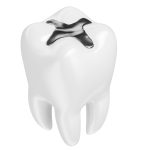
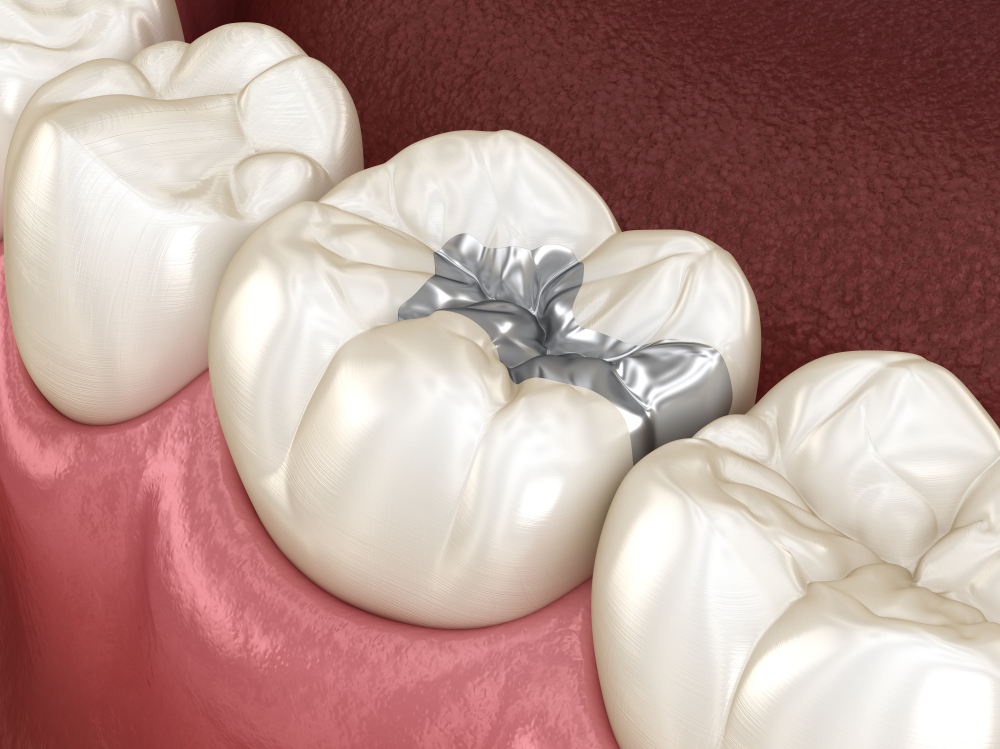
The most noticeable drawback is that treated areas of active decay usually become dark or black after SDF is applied. This colour change is a known part of the treatment and does not mean the treatment has failed. For a visible front tooth, the appearance may be an important part of the treatment decision. A dentist near you can explain how SDF may affect the appearance of the affected tooth before treatment begins.
Does SDF Replace a Filling?
Not always. SDF and fillings serve different purposes. SDF mainly helps control the decay process. A filling can restore the shape and function of a tooth after damaged material has been removed.
SDF may sometimes be used as a temporary or preventive step, depending on the condition of the tooth. The best option depends on how much tooth structure has been affected.
Is SDF Safe for Children and Adults?
SDF can be used for both children and adults when appropriate. It is often considered when traditional cavity treatment may be difficult or when controlling decay quickly is important. Before treatment, a dentist in Lakefield should review the tooth and overall dental needs to make sure SDF is appropriate.
SDF should not be viewed as a treatment that works for every type of tooth decay.
Take a Closer Look at Your Options for Tooth Decay!
When tooth decay needs attention, understanding your treatment choices can help you feel more prepared about the next step. Silver diamine fluoride may be an option in some cases, but its suitability depends on the condition of the affected tooth and your overall oral health. Book an appointment with Lakeflower Family Dental today to have the area carefully examined, discuss whether SDF may be appropriate for you, and understand what other treatment options may be available.
FAQs
Does SDF remove a cavity?
No. SDF does not remove the decayed part of a tooth. Instead, it helps slow or stop active tooth decay and may help prevent the affected area from getting worse.
Is SDF treatment painful?
SDF treatment is usually simple and does not require drilling. Some sensitivity or mild discomfort may happen, depending on the tooth and how deep the cavity is.
Will SDF make a cavity look black?
Yes. SDF can make the decayed part of a tooth turn dark or black. This is a normal part of the treatment.
Can SDF help avoid a dental filling?
Sometimes. SDF may slow down tooth decay and delay the need for a filling. Whether a filling is needed depends on the size, location, and condition of the cavity.