
Tooth pain can happen for many reasons, but some types of pain may point to a deeper problem inside the tooth. Many people visit a dentist in Lakefield after noticing pain that does not improve or becomes worse while eating, drinking, or sleeping. In some cases, the discomfort may mean the tooth nerve has become infected or damaged.
Getting treatment early may help save the tooth and prevent the infection from spreading. If your dentist recommends root canal therapy near you, it is often because the inside of the tooth can no longer heal on its own.
What Is a Root Canal?
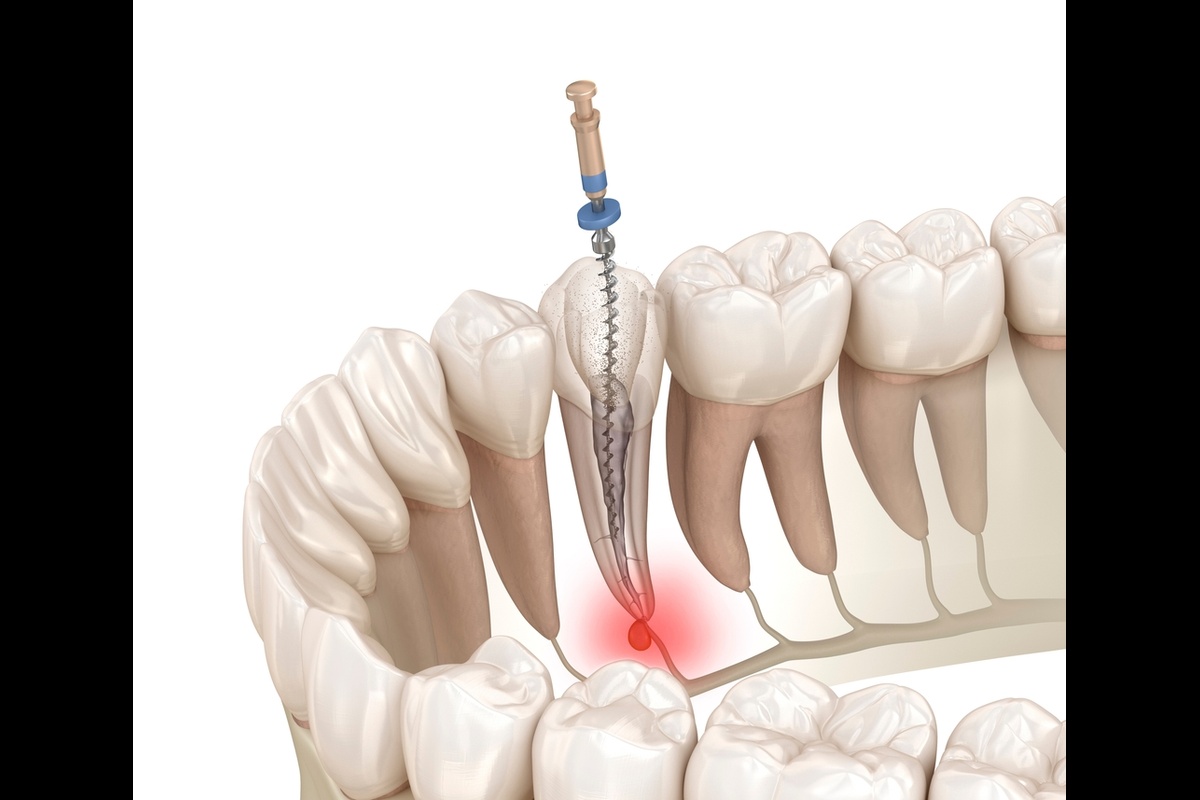
A root canal is a dental procedure used to remove infected or damaged tissue from inside the tooth. The inside area, called the pulp, contains nerves and blood vessels.
After the damaged tissue is removed, the tooth is cleaned and sealed to help prevent future infection.
Root canals are often used to treat:
- Deep tooth decay
- Tooth infections
- Cracked teeth
- Severe tooth pain
- Dental injuries
Saving the natural tooth is usually the main goal of treatment.
What Are the Common Signs You May Need a Root Canal?
Not every toothache means you need a root canal, but some signs may mean there is a serious problem inside the tooth.
Common signs include:
- Strong tooth pain
- Pain while chewing
- Sensitivity to hot or cold that lasts a long time
- Swollen gums near the tooth
- Darkening of the tooth
- A pimple-like bump on the gums
If these symptoms continue, your dentist may examine the tooth more closely.
Can Root Canal Pain Go Away Itself?
Some people notice that tooth pain becomes less severe after a few days, but that does not always mean the problem is gone. When asking if root canal pain goes away itself, it is important to know that an infected tooth may temporarily stop hurting if the nerve becomes badly damaged.
Even if the pain decreases, the infection can remain inside the tooth and may spread further if untreated.
Ignoring the problem may increase the risk of:
- Swelling
- Gum infection
- Bone damage
- Tooth loss
A dental examination is the safest way to identify the real cause of the pain.
How Do Dentists Know If You Need a Root Canal or Filling?
Some dental problems can be treated with a filling, while deeper infections may need a root canal.
When deciding on a tooth pain root canal or filling, dentists usually examine:
- The depth of the cavity
- X-rays of the tooth
- Gum condition
- Pain symptoms
- Sensitivity levels
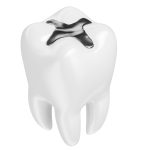
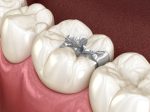
A filling is often used when the damage is limited to the outer part of the tooth. A root canal may be needed when the infection reaches the inner nerve tissue.
What Happens During a Root Canal?
Root canal treatment is completed carefully to clean and protect the tooth.
Examination and X-rays
Your dentist checks the tooth and takes X-rays to see the infection clearly.
Numbing the Area
Local anesthesia is used to help keep you comfortable during treatment.
Cleaning the Tooth
The infected tissue is removed from inside the tooth, and the canals are cleaned.
Sealing the Tooth
The cleaned area is filled and sealed to help prevent bacteria from returning.
In many cases, a dental crown may also be recommended to strengthen the tooth after treatment.
Is Root Canal Therapy Painful?
Many people worry about discomfort during treatment, but modern dental techniques and anesthesia are used to improve comfort during the procedure.
The pain caused by an infected tooth is often more uncomfortable than the treatment itself. After treatment, mild soreness may happen for a few days but usually improves gradually.
Getting root canal therapy in Lakefield early may help prevent severe pain and larger dental problems later.
When Should You Visit a Dentist for Tooth Pain?
Some tooth pain improves quickly, but ongoing pain should not be ignored.
You should contact a dentist near you if you notice:
- Severe or throbbing tooth pain
- Swelling in the gums or face
- Pain lasting several days
- Sensitivity that lingers
- Difficulty chewing
- Fever with tooth pain
Early treatment may help save the tooth and reduce the chance of complications.
Why Early Treatment Matters
Delaying treatment for an infected tooth can allow bacteria to spread deeper into the tooth and surrounding tissues. Small dental problems may become more serious over time if treatment is postponed.
Early treatment may help:
- Save your natural tooth.
- Lower the risk of infection
- Reduce tooth pain
- Protect your long-term oral health
- Lower the chance of losing the tooth
Regular dental checkups can also help find dental problems before they become severe.
Get Help for Ongoing Tooth Pain
Tooth pain that does not improve may be a sign of a deeper infection inside the tooth. At Lakeflower Family Dental, you can receive a complete dental evaluation to determine whether root canal treatment may be needed. Early care can help protect your teeth and improve your comfort. Schedule your appointment.
FAQs
Can a tooth infection heal without a root canal?
A deep tooth infection usually does not heal completely without professional dental treatment.
How long does root canal treatment take?
Many root canal procedures are completed in one or two dental visits.
Is a filling enough for severe tooth pain?
A filling may not be enough if the infection has reached the inside nerve of the tooth.
Can you eat after a root canal?
Yes, but it is better to eat soft foods until your tooth feels comfortable again.