
As we age, keeping a healthy and working smile becomes a big part of staying happy and healthy overall. Many seniors find that their natural teeth start to get weak or even fall out, which leads to a search for the best ways to fix them.
If you are currently looking for dental implants in Lakefield, you are likely comparing the pros and cons of different modern treatments. Choosing between a permanent tooth that stays in place or one that you can take out is a big decision. It changes how you eat, how you talk, and how you feel about yourself every single day.
Understanding Oral Health for Older Adults
Your mouth changes as you get older, and it can often become drier or lose some of its natural bone strength. Focusing on oral health means having a plan that protects your remaining teeth while finding a strong way to replace the ones that are missing. When a tooth is gone, your jawbone doesn’t get the “exercise” it needs to stay thick and healthy. Over time, this can actually change the shape of your face and make it look a bit sunken.
A professional dentist in Lakefield will typically check the strength of the jaw and the health of the gums before suggesting a specific path. Because certain health conditions or medications can affect how the mouth heals, a personalized exam is the first step in any restorative journey.
Are Dental Implants Right for You?
Many people wonder, are dental implants safe for seniors? The answer is generally yes, provided the patient is in good enough health for a minor surgical procedure. These replacements consist of a small titanium post that acts as an artificial root, topped with a custom-made crown that looks exactly like a natural tooth.
- Permanent Stability: Because the post fuses with the bone, it never slips or moves while you are talking.
- Bone Preservation: This is the only option that actually helps keep the jawbone strong by mimicking the pressure of a natural root.
- Simple Maintenance: You do not need to take them out at night; you brush and floss them like your original teeth.
- Long-Term Value: While the initial cost is higher, they are designed to last for the rest of your life.
What Makes Modern Dentures Different?
For those who prefer a non-surgical approach or who need to replace a large number of teeth at once, dentures remain a popular choice. These are removable plates that house a set of artificial teeth. They have been used for generations, but modern versions are much more comfortable and realistic than the ones your grandparents might have worn.
- Non-Invasive: There is no surgery required, making it a faster process for those who want a new smile quickly.
- Affordability: This is often seen as a budget-friendly way to replace an entire arch of teeth.
- Adjustability: If your mouth changes shape over time, a dental clinic near you can easily adjust or “reline” the plate to keep the fit snug.
Which Is the Best Tooth Replacement for Seniors?
Determining the best tooth replacement for seniors depends on your priorities regarding comfort and convenience. If you enjoy eating steak, corn on the cob, or crunchy apples, the biting power of an implant is hard to beat. Implants provide nearly 100% of the chewing force of natural teeth, whereas dentures usually provide about 20% to 30%.
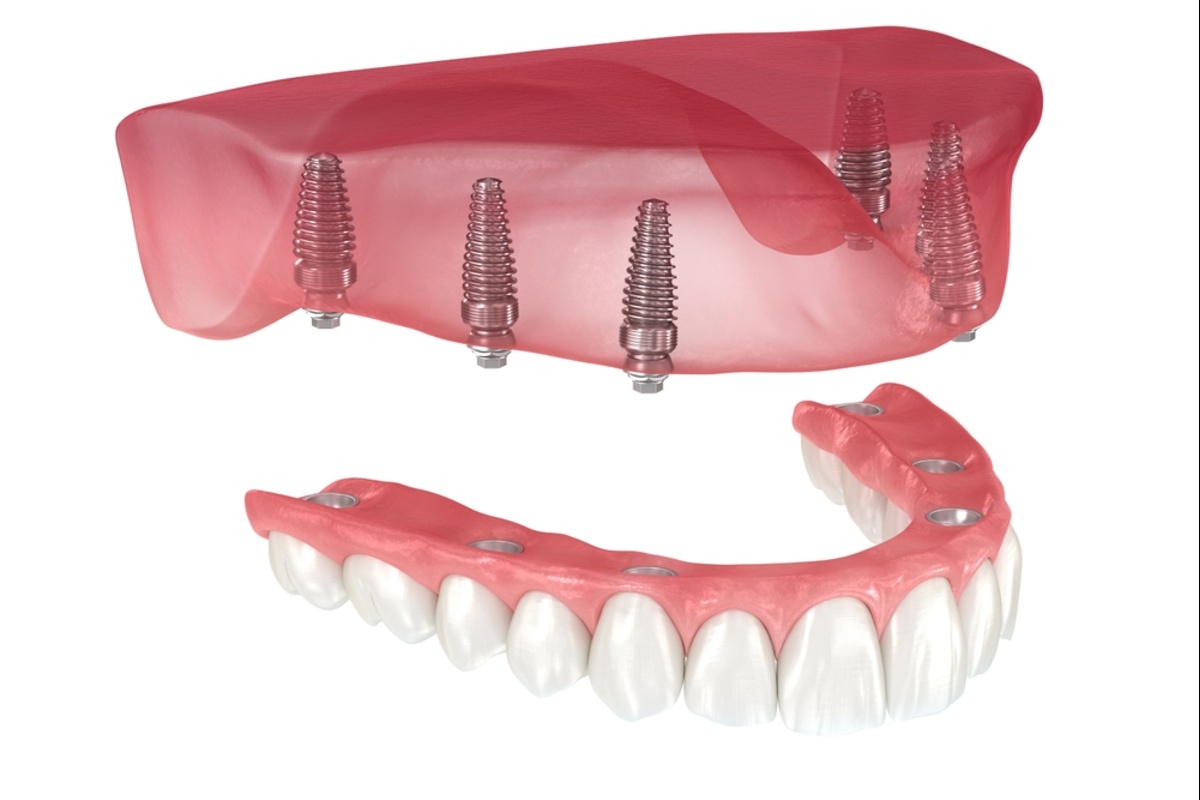
However, if bone density is a major concern or if you want to avoid a healing period that lasts several months, a high-quality set of dentures might be the better fit. Some patients even choose a “middle ground” option called an overdenture, where a removable plate snaps onto a few strategically placed implants for extra security.
Safety and Recovery for Older Patients
Age itself is rarely a barrier to getting the smile you want. Most experts agree that the success rate for these procedures is nearly the same for a 70-year-old as it is for a 30-year-old. The main factor is the ability of the body to heal. If chronic conditions like diabetes are well-managed, the recovery process is usually very smooth and predictable.
Following a procedure, your dental team will provide a specific plan for soft foods and cleaning. Staying hydrated and avoiding tobacco are the two best ways to ensure your mouth repairs itself quickly. Most seniors find that the minor discomfort of the treatment is a small price to pay for the ability to smile and eat with complete freedom again.
Healthy Mouth, Brighter Future
Investing in your teeth is an investment in your health and your social life. Being able to laugh without worrying about your teeth slipping or being able to order anything you want from a menu makes a huge difference in your daily happiness. Whether you choose the permanent strength of dental implants or the classic reliability of removable dentures, the goal is to keep your mouth healthy and working perfectly.
Comfort First, Confidence Always
If you are ready to look at your options for a fuller, stronger smile, our team at Lakeflower Family Dental is here to help you through every step. We focus on providing a warm and friendly place where your comfort is the most important thing. By using modern tools and creating a personalized plan for your oral health for older adults, we make sure every senior gets the specific care they need to feel their best.
Call us to schedule your visit and take the first step toward a more confident future.
Frequently Asked Questions
1. How do I know if I have enough bone for an implant?
A dentist will use a 3D scan to measure the thickness and height of your jawbone. If the bone is too thin, there are simple procedures available to add a bit of strength to the area before the replacement is placed.
2. Will my insurance cover these treatments?
Many plans offer partial coverage for restorative work. Our team can help you review your specific policy to understand what costs are covered and what payment options are available to fit your budget.
3. How long does the transition to dentures take?
It usually takes a few weeks to get used to the feeling of a new plate in your mouth. Practicing reading out loud and starting with soft foods are the ideal ways to speed up this adjustment period.
4. Can I switch from dentures to implants later on?
Yes, many people who have used removable dentures for years eventually decide to switch to a more permanent fix. Even if your jawbone has thinned out over time, a dentist can usually find a way to make the switch successful.